


-

Add: HeBei ShengShi HongBang Cellulose Technology CO.,LTD.
-

Email
13180486930@163.com -

CONTACT US
+86 13180486930
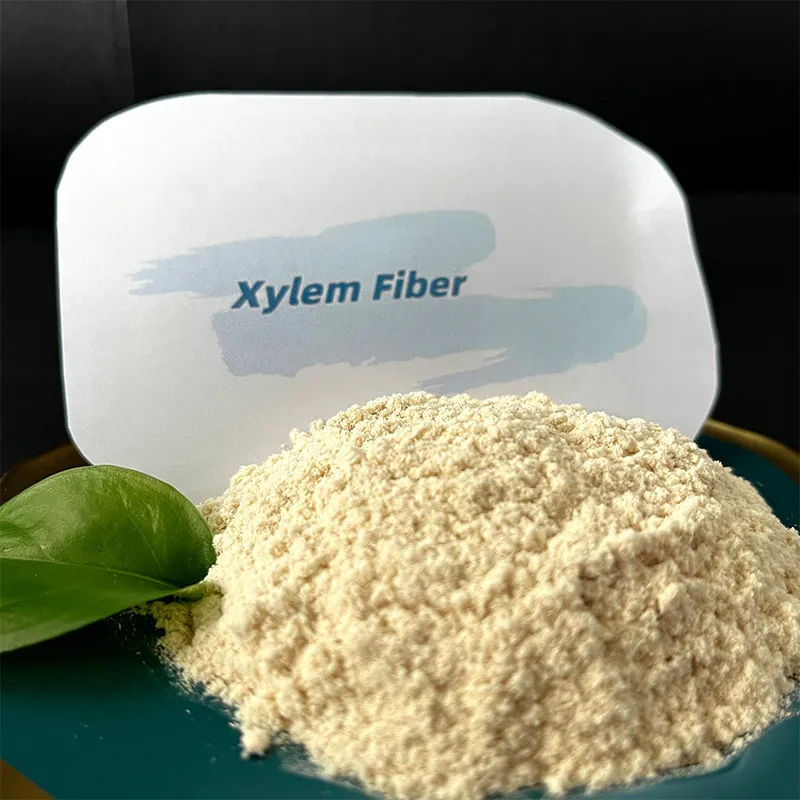

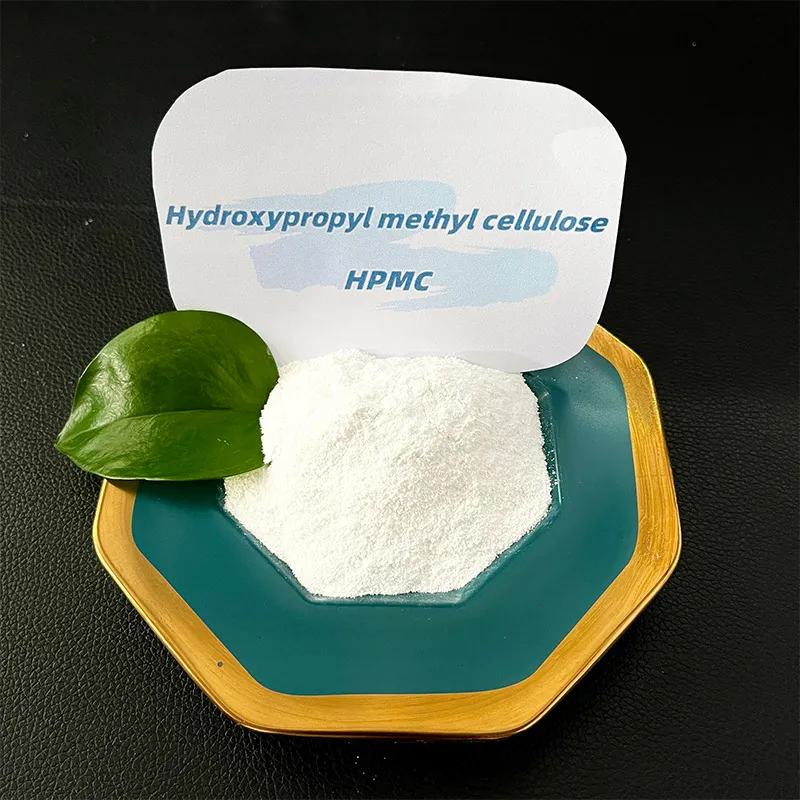


wood cellulose,xylem fiber,fibre made from wood pulp,cellulose extraction from wood,cellulose wood fibers is a key solution in the manufacturing industry, specifically within Paper and paper products industry and Pulp manufacturing. This article explores how HeBei ShengShi HongBang Cellulose Technology CO.,LTD. supports professionals with durable, high-performance products, and explains why this product is an ideal choice for businesses in these sectors. Table of Contents wood cellulose,xylem fiber,fibre made from wood pulp,cellulose extraction from wood,cellulose wood fibers Overview Benefits & Use Cases of wood cellulose,xylem fiber,fibre made from wood pulp,cellulose extraction from wood,cellulose wood fibers in Pulp manufacturing Cost, Maintenance & User Experience Sustainability & Market Trends in manufacturing Conclusion on wood cellulose,xylem fiber,fibre made from wood pulp,cellulose extraction from wood,cellulose wood fibers from HeBei ShengShi HongBang Cellulose Technology CO.,LTD. wood cellulose,xylem fiber,fibre made from wood pulp,cellulose extraction from wood,cellulose wood fibers Overview In pulp manufacturing, wood cellulose—often described as xylem fiber or cellulose wood fibers—forms the backbone of paper strength, formation, and runnability. As a fibre made from wood pulp, it is derived through controlled cellulose extraction from wood, typically via kraft or sulfite pulping, followed by mechanical refining, classification, and optional surface modification. The result is a clean, consistent fiber matrix engineered to optimize dry and wet strength, drainage, and filler retention across a wide range of grades. HeBei ShengShi HongBang Cellulose Technology CO.,LTD. supplies high-purity wood cellulose designed for industrial reliability and reproducibility. Typical technical parameters can include low ash content, neutral pH, controlled moisture, and tightly managed fiber length distribution to balance bonding with drainage. Many customers specify tailored properties—such as targeted freeness, fibrillation level, or brightness—to suit tissue, printing/writing, specialty, and packaging applications. For B2B decision makers, the relevance is clear: properly specified xylem fiber stabilizes wet-end chemistry, improves machine productivity, and reduces variability in downstream converting. Paired with application support from HeBei ShengShi HongBang Cellulose Technology CO.,LTD., mills can translate material performance into measurable operational gains and predictable product quality. Benefits & Use Cases of wood cellulose,xylem fiber,fibre made from wood pulp,cellulose extraction from wood,cellulose wood fibers in Pulp manufacturing Across pulp and paper operations, precision-engineered wood cellulose and xylem fiber deliver a portfolio of benefits. At the wet end, optimized fibrillation increases bonding potential, elevating tensile, SCT, and burst without excessive fines generation. These cellulose wood fibers also improve drainage and dewatering, supporting higher machine speeds and reduced steam demand in drying. In filled systems, they enhance filler retention and sheet formation, often enabling higher ash targets without compromising strength. Use cases include strength enhancement in recycled-fiber packaging, softness-to-strength balancing in tissue and towel, dimensional stability in printing/writing papers, and functional performance in specialty grades (from filtration papers to battery separators). When combined with starch, AKD/ASA, or synthetic latex systems, a fibre made from wood pulp can unlock synergistic strength and sizing performance. HeBei ShengShi HongBang Cellulose Technology CO.,LTD. brings process know-how that spans raw material selection, cellulose extraction from wood, and finishing operations that control fiber morphology. This expertise helps mills match fiber specifications to grade targets, seasonality, and furnish composition—minimizing trial time and accelerating ROI. Technical teams can advise on dosage windows, dispersion protocols, and compatibility with existing retention and wet-strength chemistries. Cost, Maintenance & User Experience Total cost of ownership for wood cellulose in pulp manufacturing hinges on more than price-per-ton. Mills evaluate the impact on chemical consumption, steam and power usage, machine runnability, and waste reduction. Consistent xylem fiber quality can reduce sheet breaks, stabilize basis weight, and increase first-pass retention—value drivers that translate into lower cost-per-ton of saleable paper. Operationally, modern cellulose wood fibers from HeBei ShengShi HongBang Cellulose Technology CO.,LTD. are engineered for easy handling. They are supplied in flow-friendly packaging with good dispersibility, reducing make-down time and minimizing equipment fouling. Customers in the Paper and paper products industry report smoother startups, predictable refiners’ energy profiles, and improved wet-end stability when switching to a fibre made from wood pulp with tighter spec control. From a user-experience standpoint, the combination of application support and reliable supply shortens trial cycles and limits unplanned downtime. The net effect is stronger, more uniform paper at equal or lower overall cost, plus the flexibility to pursue higher filler strategies or lighter basis weights—both proven pathways to enhanced ROI. Sustainability & Market Trends in manufacturing With demand growing for renewable, recyclable materials, wood cellulose is central to the industry’s decarbonization and circularity strategies. Derived from responsibly managed forests, xylem fiber aligns with market and regulatory expectations for bio-based content and improved end-of-life outcomes. As single-use plastics face increasing scrutiny, cellulose wood fibers enable new fiber-based packaging formats and barrier solutions without compromising performance. Regulatory momentum—from extended producer responsibility to evolving packaging directives—favors materials sourced through transparent cellulose extraction from wood. Mills increasingly seek suppliers who can support traceability, resource efficiency, and reduced environmental footprint. HeBei ShengShi HongBang Cellulose Technology CO.,LTD. invests in process improvements that target energy and water efficiency while prioritizing quality consistency. The company’s forward-thinking approach helps customers meet internal ESG targets and external compliance requirements. Market trends also point to premium growth in specialty papers, tissue, and lightweight packaging. By pairing application expertise with tailored fiber morphology, HeBei ShengShi HongBang Cellulose Technology CO.,LTD. helps producers innovate faster, reduce risk, and bring sustainable products to market at scale. Conclusion on wood cellulose,xylem fiber,fibre made from wood pulp,cellulose extraction from wood,cellulose wood fibers from HeBei ShengShi HongBang Cellulose Technology CO.,LTD. For pulp manufacturing leaders, wood cellulose—delivered as xylem fiber and other cellulose wood fibers—provides a proven route to higher strength, better runnability, and improved sustainability. With deep know-how in cellulose extraction from wood and precise control of fiber properties, HeBei ShengShi HongBang Cellulose Technology CO.,LTD. is a dependable partner for performance and value. Explore how a fibre made from wood pulp can unlock your next efficiency gain or product innovation. Contact us: email: 13180486930@163.com Visit our website: https://www.sshbhpmc.com
- 40000tons

Production
- 20+years

Experience
- 5000+㎡

Acreage

-
Navigating the complex world of synthetic fibres involves understanding their multifaceted applications, strengths, and sustainability aspects. As a key player in the textile industry, synthetic fibres offer unparalleled diversity and utility, making them indispensable across various sectors. This article delves into the unique characteristics of synthetic fibres, providing insights drawn from extensive research and industry experiences. Synthetic fibres, made through processes like polymerisation, originate from petroleum-based raw materials such as coal and natural gas. This method of production provides these materials with qualities like high durability, elasticity, and stain resistance, which natural fibres sometimes lack. A clear advantage of synthetic fibres is their ability to be tailored to specific functions, allowing for a broad range of applications. For instance, in the fashion industry, polyester and nylon remain preferred choices due to their stretchability, resilience, and ability to retain shape—a critical factor for everyday wear. Taking a closer look at polyester, one of the most widely utilized synthetic fibres, we find its prominence not just in clothing but also in home furnishings and industrial applications. Polyester's resistance to environmental factors makes it ideal for outdoor situations, where it shields wearers from extreme weather and retains its properties despite exposure to moisture. In terms of sustainability, recent advancements have led to the emergence of recycled polyester, which stems from repurposed plastic bottles and reduces environmental impact, highlighting a shift towards more eco-friendly production practices. Nylon, another dominant synthetic fibre, known for its exceptional strength and elasticity, revolutionised industries upon its introduction. It serves critical roles in manufacturing durable goods like ropes, nets, and even seatbelts in vehicles. Its application doesn't end with utilitarian products; in the fashion industry, nylon is praised for creating lightweight, breathable apparel that combines comfort with longevity. With the technology landscape rapidly evolving, synthetic fibres have embraced the integration of nanotechnology to further expand their horizons. This integration allows for the development of high-performance clothing with added functionalities such as UV protection, moisture-wicking capabilities, and even antibacterial properties. The future potentials of synthetic fibres in enhancing wearable tech cannot be overstated, offering limitless possibilities in smart clothing and beyond. fibre synthetic fibre Amidst their innumerable benefits, the environmental impact of synthetic fibres warrants attention . The global industry is making significant strides towards greater sustainability, focusing on reducing the carbon footprint of fibre production. Biodegradable synthetic fibres are now under research and development, promising solutions to the issue of textile waste. The fashion industry is actively pursuing circular economy models, encouraging recycling and reuse to prolong the lifecycle of garments. For consumers and industries alike, the choice of fibre has become increasingly crucial. Selecting synthetic fibres involves balancing between performance needs and environmental considerations. Assessing a product’s lifecycle and opting for brands committed to sustainable practices aligns with environmentally conscious consumerism. This responsibility extends to manufacturers, who must innovate continually to refine their methods, decreasing reliance on fossil fuels and integrating renewable energy sources into production. The credibility of synthetic fibre manufacturers is further enhanced through certifications and adherence to international standards. Organizations such as the Global Recycle Standard (GRS) and OEKO-TEX certification provide assurance of quality and eco-friendly practices, boosting consumer confidence and fostering trust in synthetic textile products. In conclusion, synthetic fibres represent a nuanced sector of the textile industry, underpinned by their adaptability, innovation, and potential for sustainability. The commitment to improving production processes and product offerings while addressing environmental concerns ensures that synthetic fibres will remain a crucial component of modern and future textile solutions. By making informed choices and supporting sustainable initiatives, both consumers and producers can drive positive change within this pivotal sector.
-

Hydroxypropyl methylcellulose (HPMC) is widely recognized in the realm of product formulation, particularly in pharmaceuticals, cosmetics, and food industries. Its unique properties make it indispensable, and its applications stretch far beyond its conventional uses, driving innovation across sectors. HPMC stands out primarily for its versatility and efficiency. Pharmaceutical companies frequently use it as a controlled delivery component in tablet formulations. Its ability to form a gel upon contact with water allows for sustained release of the active ingredient, which enhances patient compliance and optimizes therapeutic effects. This quality ensures that medications maintain efficacy over a prolonged period, delivering consistent dosage and reducing side effects. In the cosmetic industry, HPMC is lauded for its exceptional viscosity and texture-enhancing capabilities. It serves as a thickening agent in lotions and creams, providing consumers with a smooth application experience, which is central to customer satisfaction. Furthermore, its non-irritating nature makes it ideal for sensitive skin products, boosting the trustworthiness of formulations containing it. The impact of HPMC extends to the food industry as well, where it is valued for its role as an emulsifier, stabilizer, and thickener. Its inclusion in gluten-free foods, in particular, helps mimic the texture and crumb structure of traditional wheat products, overcoming one of the most significant challenges in gluten-free baking. By improving mouthfeel and moisture retention, it enhances the sensory attributes of gluten-free products, meeting consumer expectations for quality and taste. The multifaceted uses of HPMC are supported by a robust body of scientific research. Studies highlight its compatibility with a wide range of active ingredients and its biodegradability, which aligns with the growing environmental consciousness among consumers and manufacturers alike. Its safety profile is well-documented, with numerous regulatory bodies approving its use across different markets, reinforcing its authoritative standing in product formulation. kegunaan hydroxypropyl methylcellulose Professionals across industries rely on HPMC due to its unparalleled expertise in improving product quality. Its capacity to bind, stabilize, and control release positions it as a superior alternative to other less effective compounds. The ease of integration into existing processes without compromising product integrity underscores its indispensable role in modern manufacturing. Real-world testimonials from industry leaders consistently highlight the reliability and consistency of HPMC in achieving desired product outcomes. These testimonials not only underscore its efficacy but also enhance consumer confidence. Whether it's enhancing tablet performance, stabilizing a cream, or improving the texture of baked goods, HPMC has proven to be a trusted and reliable component. The future of HPMC looks promising, as ongoing research continues to explore novel applications and optimizations. Innovations in encapsulation techniques and sustainable production methods point towards even greater utility and efficiency. For companies focused on delivering high-quality, effective, and sustainable products, HPMC remains a cornerstone of successful product development. In summary, Hydroxypropyl methylcellulose stands as a testament to innovation and trust in product formulation . Its proven track record across multiple industries not only attests to its versatility but also solidifies its reputation for safety and efficacy. As markets evolve and consumer demands become more sophisticated, HPMC's role is poised to expand, supporting a new generation of products that are effective, safe, and environmentally responsible.
advantages
-

200000 Viscosities
Excellent product
We can produce pure products up to 200,000 viscosities
-

40000 tons
High yield
We don’t stop production all year round, and the annual output can reach 40,000 tons
-

24 hours
Quality service
We provide 24-hours online reception service, welcome to consult at any time
———— Inquiry Form
Schedule A services


-
 nylon_is_man_made_fibre
Oct . 25, 2025
Kizuia Jasi Embracing Resilience and Strength In a world fraught with challenges, the concept of Kiz -
 mga_katangian_ng_polypropylene_fiber
Oct . 25, 2025
Rubber powder, often derived from recycled rubber products, has carved out a crucial niche in the su -
 cellulose_de_bois
Oct . 25, 2025
Man-made synthetic fibers have revolutionized the textile industry by offering versatile, durable, a


